How to Curb Appetite Naturally and Why Healthy Weight Matters for Your Eyes and Body
Written by Dr. Michael Lange OD, CNS on September 10, 2026
Achieving and maintaining a healthy body weight may be one of the highest-return investments a person can make in long-term health. It can improve metabolic health, reduce stress on the cardiovascular system and joints, and lower the risk of numerous chronic diseases. It may also support healthier eyes.
That does not mean a number on a scale guarantees protection from disease. Age, genetics, smoking, blood pressure, blood sugar, nutrition, activity and many other factors still matter. It does mean that healthy weight management deserves a central place in any serious wellness and vision-preservation plan.
The Scale of the Weight Problem
Obesity is neither rare nor trivial. The Centers for Disease Control and Prevention reports that approximately two in five American adults have obesity. The National Institute of Diabetes and Digestive and Kidney Diseases associates overweight and obesity with type 2 diabetes, high blood pressure, heart disease, stroke, fatty liver disease, kidney disease, sleep apnea, osteoarthritis and several cancers.
The encouraging news is that improvement does not require perfection. NIDDK notes that losing about 5% to 7% of starting weight may prevent or delay type 2 diabetes in people at risk. A 200-pound person may therefore gain meaningful health benefits from losing approximately 10 to 14 pounds—even before reaching a final goal weight.
Weight Management Is More Than Willpower
People commonly assume that anyone who overeats simply lacks discipline. That explanation is incomplete and often counterproductive. Appetite is influenced by powerful biological signals, sleep, stress, medications, hormones, food availability, learned habits and the highly rewarding combination of sugar, fat, salt and texture found in many processed foods.
Personal responsibility still matters. We choose what we buy, prepare and eat. But a successful plan should make good choices easier instead of demanding that someone fight hunger and cravings every hour of every day. Environment, planning, protein, fiber, hydration, physical activity, resistance training and adequate sleep all help. A carefully chosen snack can also become a practical tool when it replaces a much higher-calorie impulse choice.
Does a Healthy Weight Protect the Eyes?
The most accurate answer is that excess body weight is associated with several important eye-health risks, but the strength of evidence differs by disease. Most studies are observational. They identify associations and plausible mechanisms, but they do not prove that weight loss by itself prevents every eye condition.
Nutrition is another important part of that picture. For practical dietary ideas, see Dr. Michael Lange’s Top 10 Eye Health Superfoods, which explores foods and nutrients that support retinal health, antioxidant defenses and healthy aging.
Cataracts
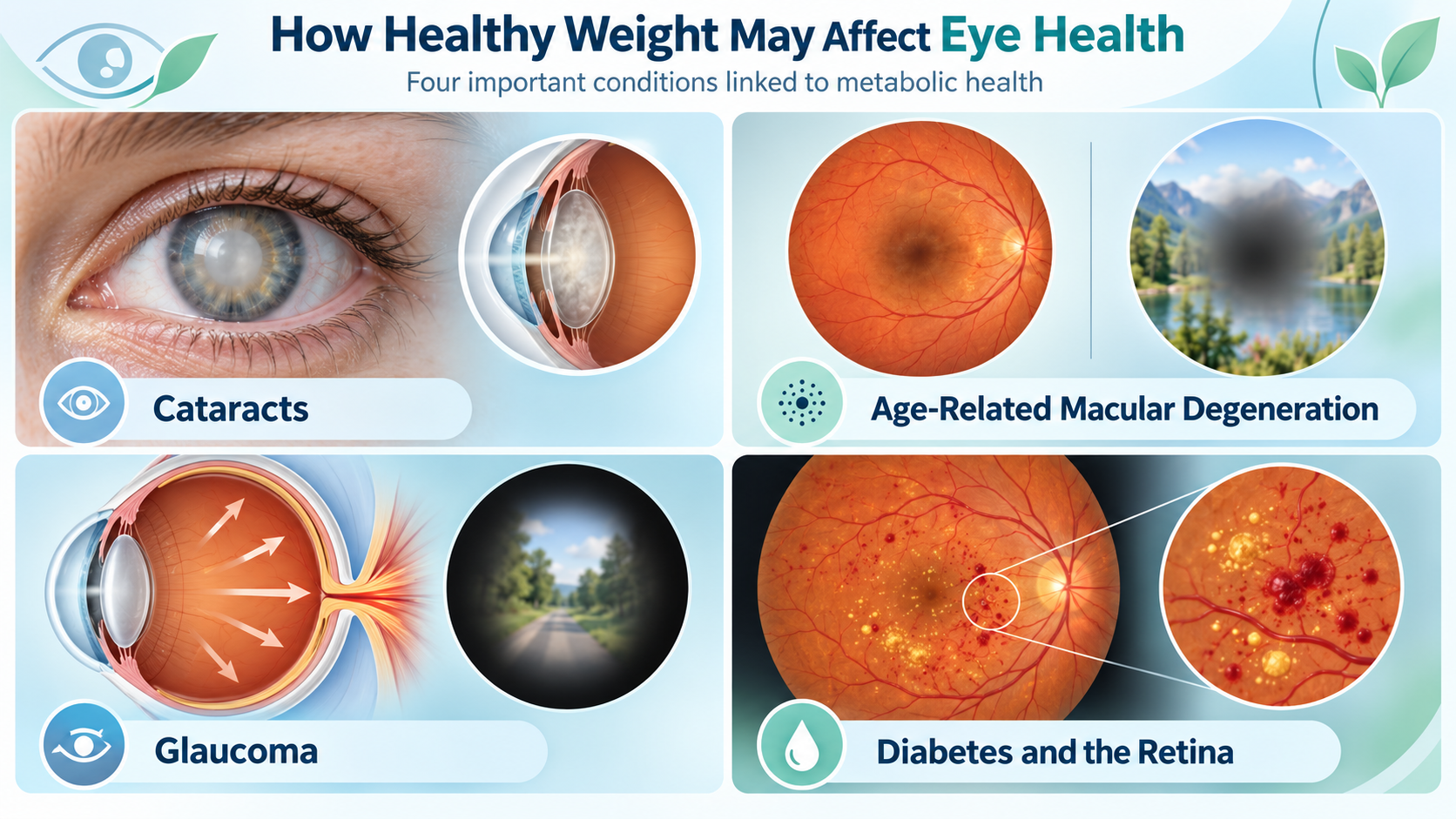
The evidence is strongest for cataracts. A 2023 systematic review and dose-response meta-analysis included 16 prospective studies with more than 1.6 million participants. Higher BMI was associated with an 18% greater risk of age-related cataract when the highest and lowest BMI categories were compared. Each 5 kg/m² increase in BMI was associated with a 6% increase in overall age-related cataract risk and a 27% increase in posterior subcapsular cataract risk. The association was not seen consistently for every cataract subtype.
Age-Related Macular Degeneration
For AMD, the relationship is meaningful but less definitive. A systematic review and meta-analysis of clinical risk factors involving more than 113,000 people found that higher BMI had a moderate and consistent association with late AMD. Smoking, advancing age and family history remain better-established risk factors. Healthy weight should therefore be viewed as one component of risk reduction—not as a guarantee against macular degeneration.
Glaucoma
The glaucoma evidence is evolving. A 2026 meta-analysis of 13 studies reported higher odds of glaucoma among people with overweight or obesity. However, the pooled hazard-ratio analysis narrowly missed statistical significance. That mixed result means it would be premature to state that reaching an ideal weight prevents glaucoma.
Weight management may reduce related vascular and metabolic stress, but regular comprehensive eye examinations and appropriate pressure-lowering treatment remain essential. For a deeper discussion of nutrition as a complement to conventional glaucoma care, read Integrating Advanced Nutrition into Glaucoma Management.
Diabetes and the Retina
The indirect eye-health connection is especially powerful through type 2 diabetes and hypertension. Nearly nine in ten people with type 2 diabetes have overweight or obesity, according to NIDDK. Chronic high blood sugar can damage retinal blood vessels and cause diabetic retinopathy and diabetic macular edema. Better weight, glucose and blood-pressure management can therefore protect systemic health while addressing major drivers of preventable vision loss.
Why Cravings Can Derail an Otherwise Good Plan
Most people understand the basics of weight management. The difficult part is repeating those behaviors when hunger, stress or a desire for something sweet appears. A single craving can turn into several hundred calories from candy, cookies, chips or late-night snacking. Repeated often enough, those small decisions can erase the calorie deficit needed for fat loss.
Complete deprivation also fails many people. They want a satisfying treat and eventually rebel against a plan that feels joyless. My goal was to create a portion-controlled chocolate experience that satisfies that psychological desire while also supporting the body’s natural satiety signaling. That led to Fortifeye Fit Bites.
Why I Developed and Recommend Fortifeye Fit Bites
Disclosure: I am the founder of Fortifeye Vitamins and the formulator of Fortifeye Fit Bites. I have a financial interest in the product. I also use the finished product myself, and my recommendation is based on the formulation, available ingredient research and my personal experience—not on a claim that Fit Bites independently produces weight loss.
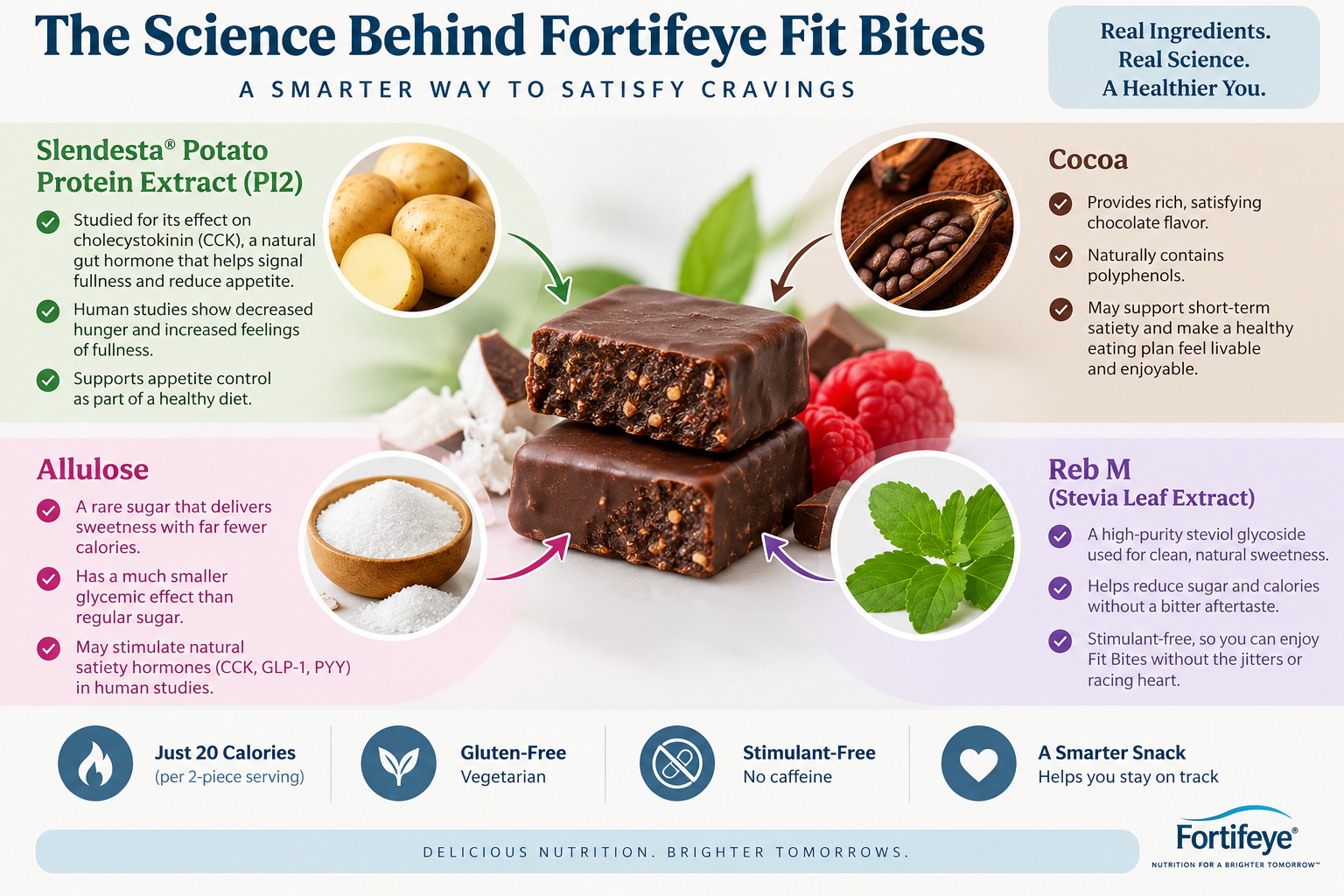
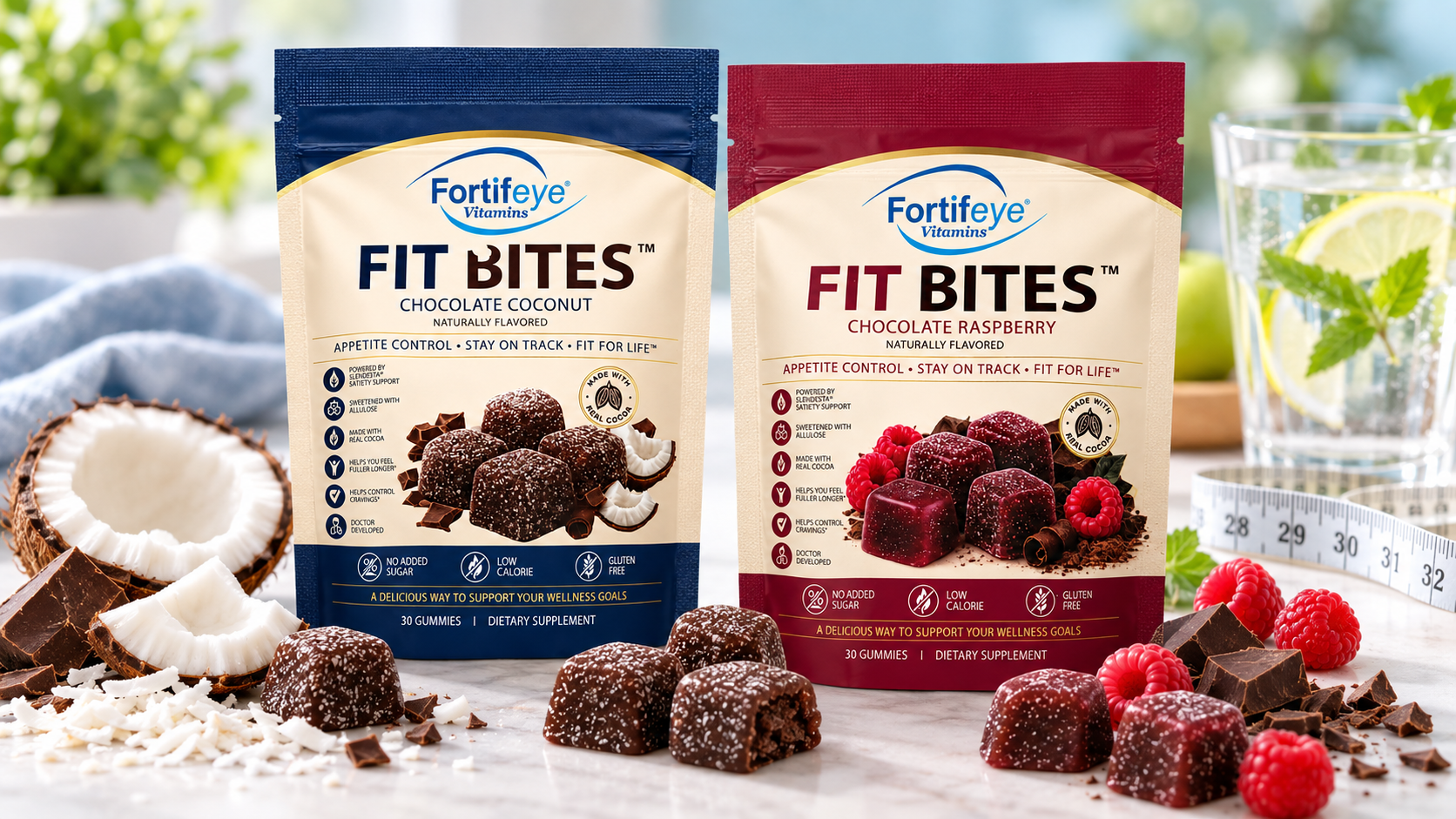
Fortifeye Fit Bites are available in Chocolate Coconut and Chocolate Raspberry. A two-piece serving contains 20 calories and features 300 mg of Slendesta® potato protein extract, along with cocoa, allulose and Reb M. They are gluten-free, vegetarian and stimulant-free.
In my experience, two Fit Bites with a glass of water can take the edge off hunger and satisfy the desire for chocolate. That may make it easier to avoid a much larger serving of conventional candy or another calorie-dense snack. Individual results will vary, and the product works best as part of a structured eating and exercise plan.
The Science Behind Fortifeye Fit Bites
Slendesta Potato Protein Extract and CCK
Slendesta is a standardized potato extract containing potato protease inhibitor II, commonly abbreviated PI2. PI2 is studied for its interaction with cholecystokinin, or CCK—a normal gut hormone involved in meal-related fullness and appetite regulation.
In a randomized, double-blind, placebo-controlled crossover trial involving 44 healthy women, standardized potato PI2 taken before breakfast reduced self-reported hunger, desire to eat and anticipated food consumption while increasing fullness. The 15 mg PI2 dose also increased post-meal CCK. The study was short-term and assessed appetite rather than long-term weight loss.
A second 20-week randomized, placebo-controlled study followed 52 adults with overweight or obesity who were eating a high-protein diet approximately 500 calories below estimated daily needs. PI2 improved several appetite ratings and increased CCK at one measurement point. Both groups lost weight, but the PI2 group did not lose more weight than placebo. That distinction is important: the evidence supports PI2 as an appetite- and satiety-support ingredient, not as a stand-alone weight-loss treatment.
Allulose for Sweetness With Fewer Calories
Allulose is a rare sugar that provides sweetness with far fewer calories and a much smaller glycemic effect than ordinary table sugar. Replacing conventional sugar with allulose helps create a sweet chocolate snack without loading it with the calories and added sugar found in many candies.
A small randomized human trial found that 25 grams of D-allulose stimulated CCK, GLP-1 and PYY secretion. That experimental dose was substantially larger than the amount expected in a low-calorie serving of Fit Bites, so the trial should not be used to claim that Fit Bites reproduce the same hormonal effect. The strongest practical reason for allulose here is that it delivers sweetness while reducing sugar and calories.
Cocoa and the Satisfaction Factor
Cocoa supplies the rich flavor that makes Fit Bites feel like a genuine treat. Cocoa naturally contains polyphenols, although the amount and composition vary with the cocoa and processing method. Some studies of dark chocolate or specially enriched cocoa preparations suggest effects on short-term appetite, but those findings cannot automatically be applied to the amount of cocoa in this product. I view cocoa’s most valuable role in Fit Bites as sensory satisfaction: it helps a healthy eating plan feel livable rather than punitive.
Reb M and a Stimulant-Free Approach
Reb M is a high-purity steviol glycoside used to round out sweetness without adding conventional sugar. Fit Bites contain no caffeine or stimulant-based appetite suppressants, so they are designed to avoid the jitters and racing-heart sensation associated with stimulant products. People with medical conditions, allergies, pregnancy, or medication concerns should still review the full label with their healthcare professional.
How to Use Fit Bites in a Healthy Weight-Management Plan
Fit Bites are not a meal replacement, prescription drug or permission to ignore the rest of the diet. They are a tactical snack. Consider one to two pieces with water between meals or when an after-dinner sweet craving appears. Then give your body time to register the snack before deciding whether you still need more food.
For better results, build the rest of the plan around:
- Adequate protein distributed across the day to support lean muscle;
- Vegetables, fruit, legumes and other fiber-rich foods;
- Appropriate portions and fewer ultra-processed foods;
- Regular walking, aerobic activity and resistance training;
- Consistent sleep and hydration; and
- Medical guidance when diabetes, kidney disease, eating disorders or other health conditions are present.
For a more structured approach to reducing calories while supporting satiety and lean muscle, read How Fortifeye Fit Meal Outsmarts the Calorie Deficit Without Medication.
My Bottom Line as a Doctor and Formulator
Healthy weight management is one of the most powerful steps people can take for overall health, and it may also reduce several pathways that threaten ocular health. The evidence is strongest for systemic metabolic benefits and cataract risk, while associations with AMD and glaucoma are promising but not proof of prevention.
I endorse and recommend Fortifeye Fit Bites as a delicious, portion-controlled, stimulant-free tool for people who struggle with hunger or sweet cravings. Their strongest science-based feature is Slendesta potato PI2, which has human evidence for supporting fullness and appetite control. Fit Bites are not magic and cannot replace nutritious meals, exercise or medical care. What they can do is make one of the hardest moments in a weight-management plan easier—and sometimes that small, repeatable advantage is exactly what helps a person stay on track.
Learn more or order: Fortifeye Fit Bites appetite-support chocolate snack
Frequently Asked Questions
What Is a Natural Way to Curb Appetite?
A protein- and fiber-rich diet, adequate hydration, regular sleep, exercise, structured meal timing and portion-controlled snacks can all help. Slendesta potato PI2 may support normal CCK-mediated satiety, but no food or supplement replaces the fundamentals.
Are Fortifeye Fit Bites a Natural Appetite Suppressant?
Fit Bites are a functional food designed to support appetite control and feelings of fullness. They are not a drug, and they should not be described as a treatment for obesity.
Will Fortifeye Fit Bites Make Me Lose Weight?
No product can guarantee weight loss. Fit Bites may help some people manage cravings and replace a higher-calorie snack, which can support a calorie-controlled plan. Individual results vary.
Do Fit Bites Contain GLP-1 Medication?
No. Fit Bites contain no semaglutide, tirzepatide or other prescription GLP-1 receptor agonist.
What Flavors Are Available?
Fortifeye Fit Bites are available in Chocolate Coconut and Chocolate Raspberry.
How Many Fit Bites Should I Eat?
The current Fortifeye directions suggest enjoying one to two Fit Bites when cravings arise or as part of a healthy daily routine. Follow the package directions and consider having them with water.
References
- CDC. About Obesity.
- NIDDK. Health Risks of Overweight and Obesity.
- Jafari A, et al. Association between obesity and age-related cataract: an updated systematic review and dose-response meta-analysis of prospective cohort studies. 2023.
- Chakravarthy U, et al. Clinical risk factors for age-related macular degeneration: a systematic review and meta-analysis. 2010.
- Xie P, et al. The impact of obesity or overweight on the risk of glaucoma: a meta-analysis. 2026.
- Zhu Y, et al. Potato protease inhibitor II suppresses postprandial appetite in healthy women: a randomized double-blind placebo-controlled trial. 2017.
- Flechtner-Mors M, et al. The Effect of Potato Protease Inhibitor II on Gastrointestinal Hormones and Satiety in Humans During Weight Reduction. 2020.
- Teysseire F, et al. The Role of D-allulose and Erythritol on Gastrointestinal Satiation Hormone Release in Humans. 2022.
Medical and Product Disclaimer
This article is educational and is not a substitute for individualized medical or nutritional advice. Fortifeye Fit Bites are a food product, not a medication, and are not intended to diagnose, treat, cure or prevent disease. Weight and eye-disease associations do not establish that using Fit Bites or losing weight will prevent cataracts, macular degeneration, glaucoma or diabetic eye disease. Consult your healthcare professional before making significant dietary changes, particularly if you have diabetes, kidney disease, food allergies, are pregnant or take prescription medication.
Dr. Michael Lange is an Optometric Physician, Certified Nutrition Specialist (CNS), founder of Lange Eye Institute, founder of Fortifeye® Vitamins, and host of the nationally syndicated Ask the Dr. radio program. For more than 35 years, he has dedicated his career to educating patients about the connection between nutrition, healthy aging, and lifelong vision.