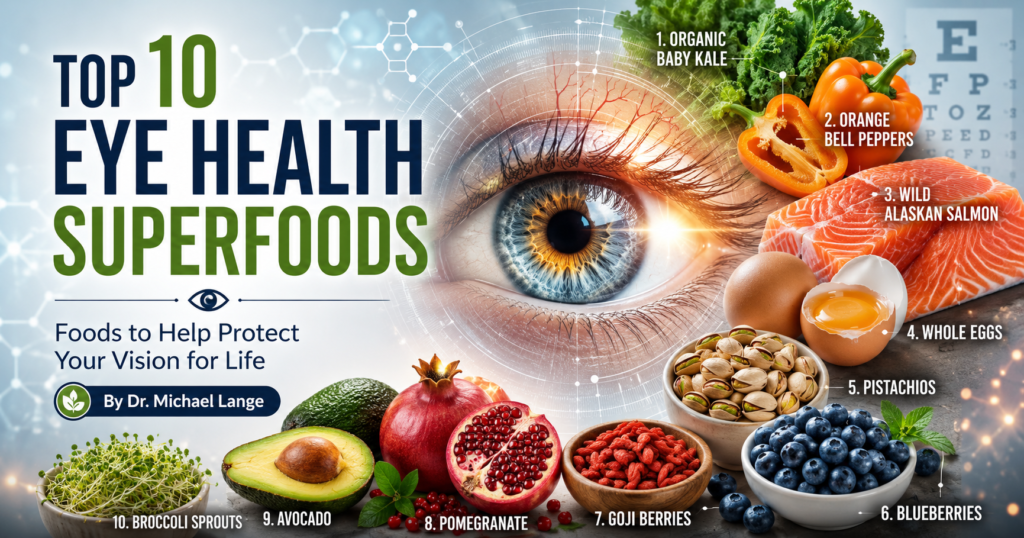
Dr. Michael Lange’s Top 10 Eye Health Superfoods™
Written by Dr. Michael Lange OD, CNS on July 14, 2026
The Science Behind the Best Foods to Help Protect Your Vision for Life
By Dr. Michael Lange
Optometric Physician • Certified Nutrition Specialist
Why I Began My Journey Into Nutritional Eye Care
Early in my career as an optometric physician, I became frustrated watching so many patients age before my eyes—not only their vision, but their overall health and vitality. That realization led me into nutritional medicine. I became one of the first eye care providers to incorporate SpectraCell intracellular micronutrient testing into my practice to better understand nutritional status at the cellular level.
Over the years I noticed recurring nutritional patterns in many patients with eye disease, particularly age-related macular degeneration. About a decade later I earned the Certified Nutrition Specialist (CNS) credential, becoming one of the first optometric physicians in the United States to achieve this distinction. Those experiences eventually became the foundation of Fortifeye® Vitamins and my philosophy of combining the best available science with decades of clinical experience.
Why Nutrition Matters
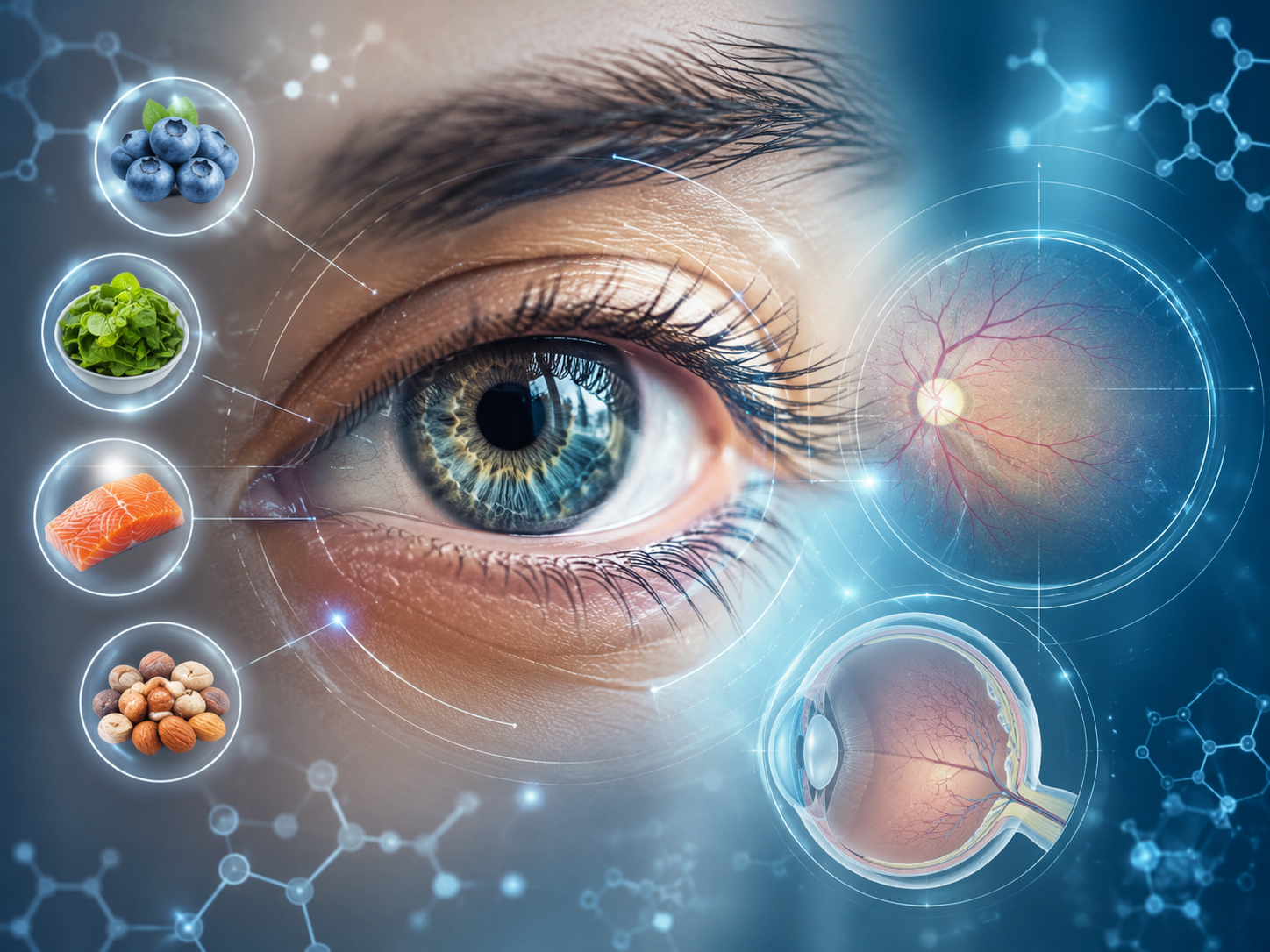
The retina is one of the most metabolically active tissues in the body. Healthy nutrition helps support macular pigment, healthy inflammation, antioxidant defenses, mitochondrial function, and overall retinal health.
1. Organic Baby Kale — The Lutein King
Rich in lutein, vitamin C and phytonutrients. Kale helps support macular pigment optical density (MPOD), filters blue light, and provides antioxidant protection.
2. Orange Bell Peppers — The Zeaxanthin Powerhouse
Among the richest natural sources of zeaxanthin. Works with lutein to support the macula and protect retinal cells from oxidative stress.
3. Wild Alaskan Salmon — Nature’s Perfect Eye Food
Provides EPA and DHA omega-3 fatty acids along with astaxanthin. Supports retinal cell membranes, tear function, healthy inflammation, circulation, and antioxidant protection.
4. Whole Eggs
Highly bioavailable source of lutein and zeaxanthin plus protein, choline, vitamins and minerals. Aim for at least four whole eggs weekly unless medically contraindicated.
5. Pistachios
One of the few nuts naturally rich in lutein while also providing healthy fats, fiber and plant protein.
6. Organic Blueberries
Rich in anthocyanins and polyphenols that help combat oxidative stress and support healthy retinal circulation.
7. Organic Goji Berries
Excellent source of zeaxanthin dipalmitate. Emerging human studies suggest they may help support macular pigment.
8. Pomegranate
Provides ellagitannins that can be converted by the gut microbiome into urolithin A. Emerging research suggests potential support for healthy mitochondrial function.
9. Avocados
Naturally contain lutein and healthy monounsaturated fats that improve absorption of carotenoids from foods like kale and peppers. Also provide potassium, fiber and vitamin E.
10. Broccoli Sprouts
Rich in sulforaphane, which activates the Nrf2 pathway and supports the body’s antioxidant defenses, including systems involved in glutathione production.
Why Glutathione Matters
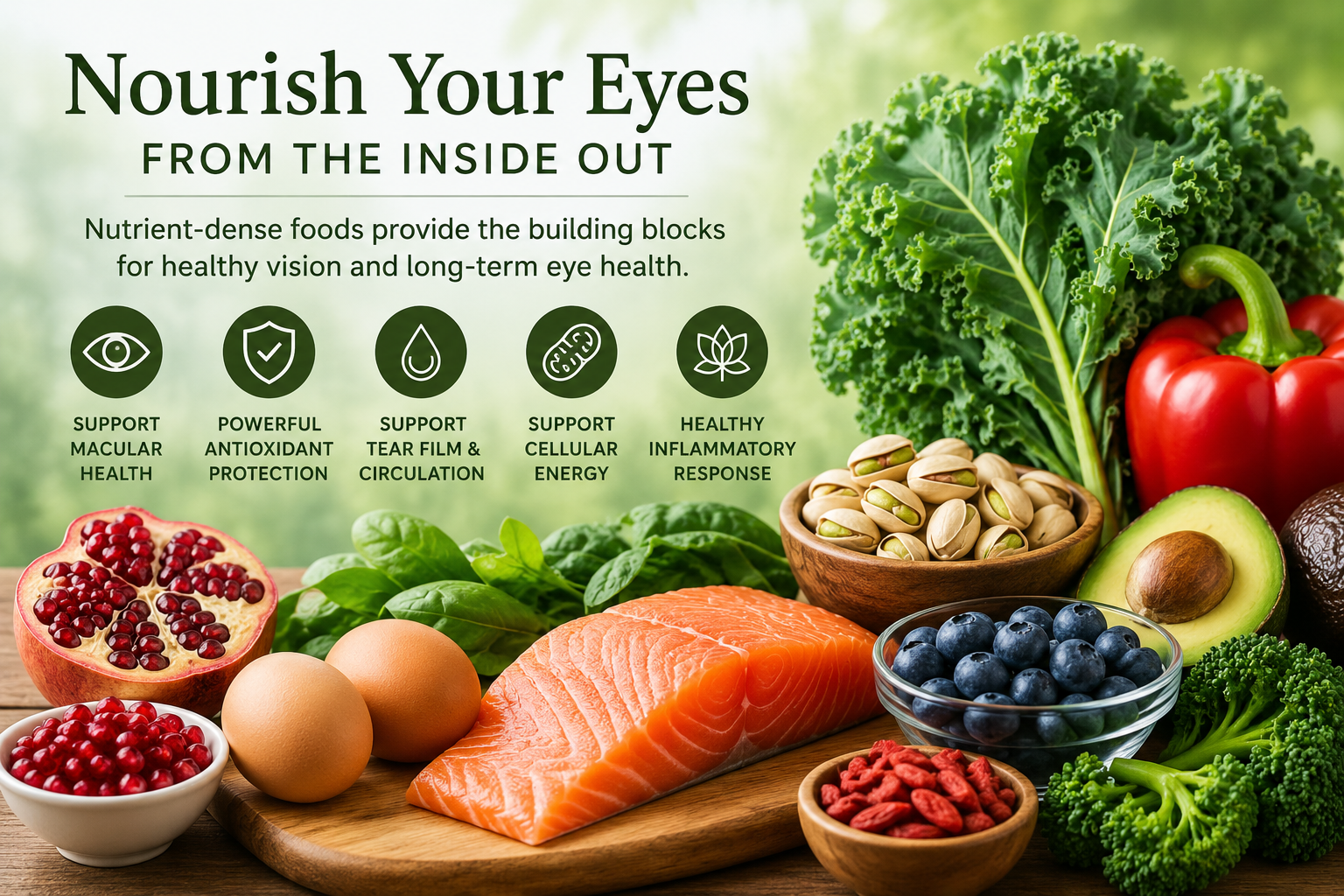
During years of intracellular nutritional testing I frequently observed reduced glutathione status in many patients with age-related macular degeneration. While this does not prove cause and effect, it reinforced my belief that supporting the body’s natural antioxidant defenses is an important part of healthy aging and healthy vision. Foods such as broccoli sprouts, kale, eggs, avocados, blueberries, vitamin C-rich vegetables, and grass-fed whey protein concentrate help support the body’s natural glutathione system.
Why Maintaining a Healthy Weight Matters
Maintaining a healthy weight helps reduce chronic inflammation and oxidative stress while supporting overall eye health. Healthy nutrition, exercise, hydration, sleep and preserving lean muscle benefit the entire body, including the eyes.
Why I Developed Fortifeye® Fit Meal™
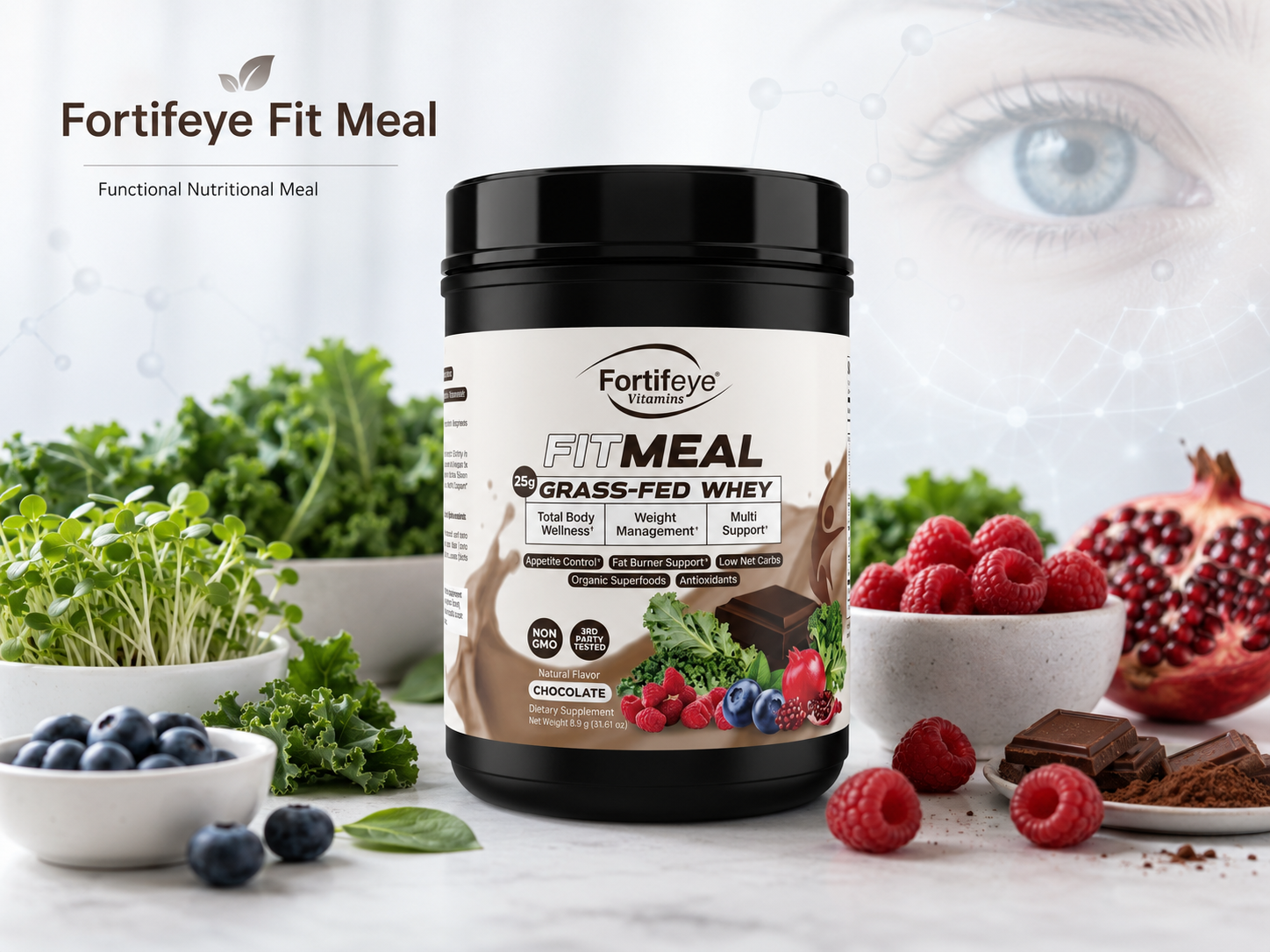
Most people simply don’t eat enough nutrient-dense foods every day. I didn’t want to create another protein shake—I wanted to create a functional nutritional meal.
Fortifeye® Fit Meal combines grass-fed whey protein concentrate with organic kale, broccoli sprouts, Pomella® pomegranate extract, blueberries, fiber, probiotics, digestive enzymes, vitamins, minerals and other carefully selected ingredients to complement a healthy diet while supporting healthy weight management, lean muscle and overall wellness.
Learn more at: https://fortifeye.com/product/fortifeye-fit-meal/
My Final Thoughts
There is no magic food and no miracle supplement. But every healthy meal is an opportunity to nourish your retina, support your macula, and invest in your future vision.
‘Every healthy meal is an investment in your vision.’
Frequently Asked Questions About Eye-Healthy Foods
What are the best foods for eye health?
Some of the best foods for eye health include kale, orange bell
peppers, wild salmon, whole eggs, pistachios, blueberries, goji
berries, pomegranate, avocados and broccoli sprouts. Together,
these foods provide lutein, zeaxanthin, omega-3 fatty acids,
anthocyanins, healthy fats and other nutrients that support the
retina and macula.
Which foods contain the most lutein for eye health?
Dark leafy greens such as kale are among the richest food
sources of lutein. Whole eggs, pistachios and avocados also
provide lutein. Eating carotenoid-rich foods with healthy fats
can help improve their absorption.
Which foods are rich in zeaxanthin?
Orange bell peppers are a particularly rich natural source of
zeaxanthin. Whole eggs and goji berries also provide
zeaxanthin in forms the body can use to support macular pigment
and retinal health.
Why are lutein and zeaxanthin important for the eyes?
Lutein and zeaxanthin are carotenoids concentrated in the
macula. They contribute to macular pigment, help filter certain
wavelengths of light and support the eye’s natural antioxidant
protection.
Is salmon good for eye health?
Wild salmon provides the omega-3 fatty acids EPA and DHA along
with astaxanthin. These nutrients support retinal cell
membranes, normal tear function, healthy circulation and
balanced inflammatory responses.
Are eggs beneficial for eye health?
Whole eggs provide bioavailable lutein and zeaxanthin along
with protein, choline and several vitamins and minerals.
Individual dietary recommendations may vary, particularly for
people with medical dietary restrictions.
How do broccoli sprouts support eye health?
Broccoli sprouts contain sulforaphane, a compound associated
with activation of the Nrf2 pathway. This pathway helps
regulate the body’s natural antioxidant and cellular defense
systems.
Can food prevent age-related eye disease?
No individual food can guarantee prevention of an eye disease.
A balanced diet rich in vegetables, fruits, healthy fats,
protein and omega-3 fatty acids can support general eye health
and healthy aging. Regular comprehensive eye examinations
remain essential.
Why is glutathione important for healthy vision?
Glutathione is part of the body’s natural antioxidant defense
system. Foods such as broccoli sprouts, kale, eggs, avocados,
blueberries and vitamin C-rich vegetables provide nutrients
that help support normal glutathione production and recycling.
What is Fortifeye Fit Meal?
Fortifeye Fit Meal is a functional nutritional meal developed
by Dr. Michael Lange. It combines grass-fed whey protein
concentrate with ingredients such as organic kale, broccoli
sprouts, pomegranate extract, blueberries, fiber, probiotics,
digestive enzymes, vitamins and minerals.
Dr. Michael Lange is an Optometric Physician, Certified Nutrition Specialist (CNS), founder of Lange Eye Institute, founder of Fortifeye® Vitamins, and host of the nationally syndicated Ask the Dr. radio program. For more than 35 years, he has dedicated his career to educating patients about the connection between nutrition, healthy aging, and lifelong vision.