Why Most Meal Replacements Fail: A Doctor’s Perspective on Healthy Weight Loss, Muscle Preservation, and Longevity
Written by Dr. Michael Lange OD, CNS on May 19, 2026
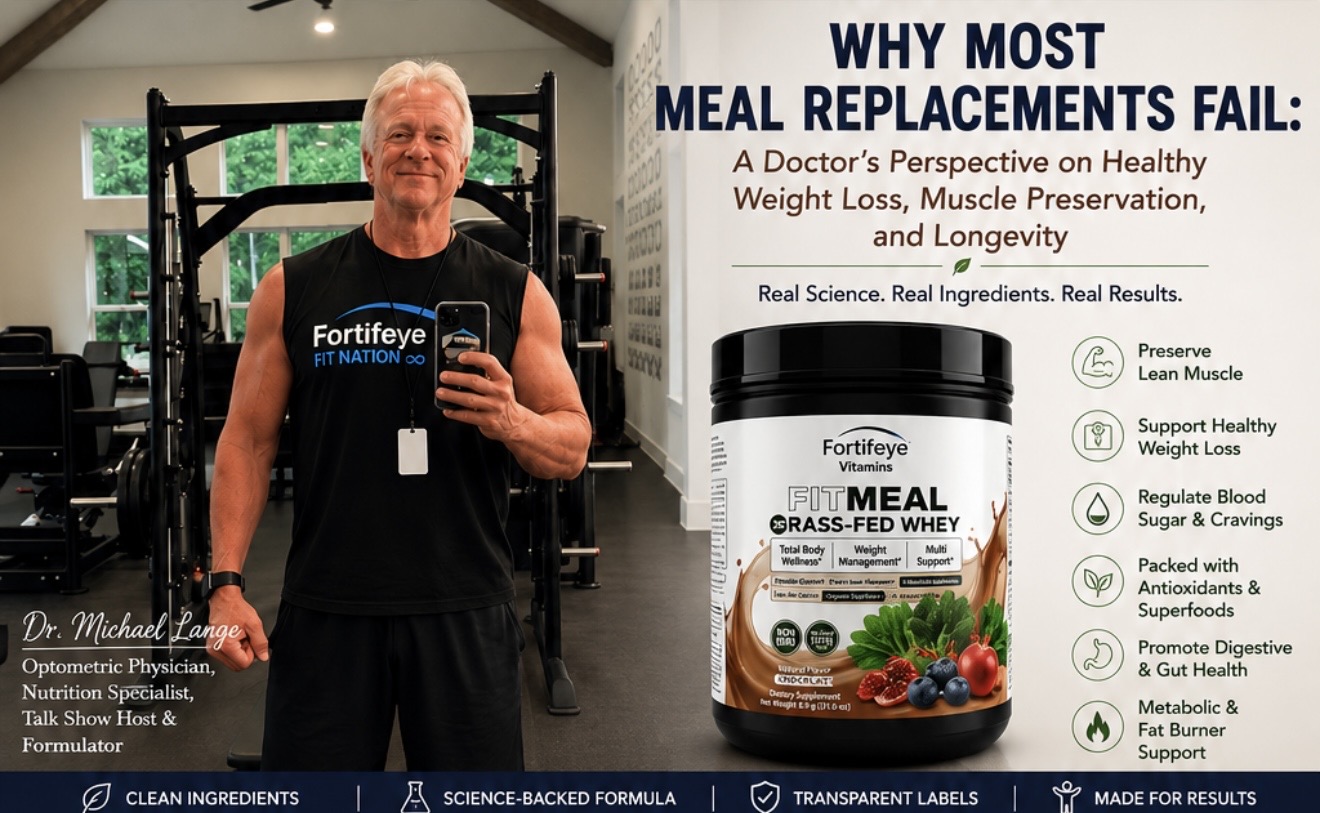
For more than 30 years, I have worked with patients struggling with weight gain, low energy, inflammation, metabolic issues, and the physical decline that often comes with aging. One of the biggest frustrations I have seen over the decades is that many people genuinely want to improve their health, yet they are constantly misled by heavily marketed nutrition products that fail to deliver meaningful long-term results.
Meal replacements are a perfect example.
Many people purchase meal replacement shakes hoping to lose weight, gain energy, preserve muscle, improve digestion, and support healthy aging. Unfortunately, most meal replacements on the market today are little more than glorified processed foods loaded with cheap proteins, artificial ingredients, hidden sugars, poor-quality fibers, and proprietary blends that hide the true ingredient amounts from consumers.
The result?
People often feel hungry shortly after consuming them, experience blood sugar spikes and crashes, struggle with cravings, lose muscle mass during weight loss, and ultimately fail to maintain long-term results.
As a clinician, talk show host, nutrition researcher, and formulator, I wanted to approach meal replacement nutrition differently. This article explains why many meal replacements fail and what I believe people should truly look for in a functional meal replacement designed to support healthy weight management, muscle preservation, metabolic health, and longevity.
Why America Is Struggling With Weight Gain, Fatigue, and Muscle Loss
We are facing a growing epidemic of obesity, metabolic dysfunction, fatigue, insulin resistance, and accelerated muscle loss. While many people focus strictly on calories, the quality of those calories and the nutritional composition of foods are critically important.
Modern processed diets are often:
- Low in high-quality protein
- Low in soluble fiber
- High in refined carbohydrates
- High in artificial ingredients
- Nutrient deficient
- Extremely calorie dense
- Poor at promoting satiety
At the same time, many individuals over the age of 40 begin losing muscle mass at an accelerated rate, a condition commonly referred to as sarcopenia. Muscle loss not only affects appearance and strength but also impacts metabolism, insulin sensitivity, balance, mobility, energy production, and healthy aging.
Now we are also seeing increasing numbers of individuals using GLP-1 medications for weight loss. While these medications may help reduce appetite and body fat, many people are unknowingly losing significant amounts of muscle mass during the process.
That is a major concern.
Maintaining lean muscle is one of the most important factors for healthy aging, metabolic health, physical performance, and overall longevity.

Why Most Meal Replacements Don’t Work
The truth is that many meal replacements are designed primarily around cost and marketing rather than optimal nutrition.
Common problems include:
Cheap Protein Sources
Many products use low-quality protein concentrates, poorly sourced proteins, amino acid spiking, or inexpensive fillers to artificially inflate protein numbers on labels.
Protein quality matters tremendously.
The amino acid profile, digestibility, and bioavailability all influence:
- muscle protein synthesis
- satiety
- recovery
- metabolic function
- healthy aging
Excessive Sugar and Artificial Sweeteners
Many shakes contain:
- maltodextrin
- corn syrup solids
- sucralose
- acesulfame potassium
- artificial flavors
- sugar alcohols
Some of these ingredients may negatively affect digestion, cravings, appetite regulation, or gut health in susceptible individuals.
Many people consume these products hoping to improve their health while unknowingly consuming highly processed ingredients that may work against their goals.
Poor Fiber Systems
Fiber is one of the most overlooked aspects of meal replacement nutrition.
Many products either:
- contain very little fiber
- rely heavily on inexpensive insoluble fibers
- or use fiber systems that do little to improve satiety
In my opinion, soluble fiber is critically important because it can help:
- slow digestion
- improve satiety
- support healthy blood sugar balance
- nourish beneficial gut bacteria
- reduce cravings
- support digestive health
A properly designed fiber system may help individuals feel satisfied longer and potentially reduce overeating throughout the day.
Proprietary Blends Hide the Truth
One of my biggest concerns with many nutritional products is the use of proprietary blends.
Consumers often have no idea:
- how much of an ingredient they are actually getting
- whether the ingredient is clinically dosed
- or whether the product contains meaningful amounts at all
Transparency matters.
When companies hide ingredient amounts, it becomes difficult for consumers and healthcare professionals to evaluate the effectiveness of the formula.
The Importance of Preserving Muscle as We Age
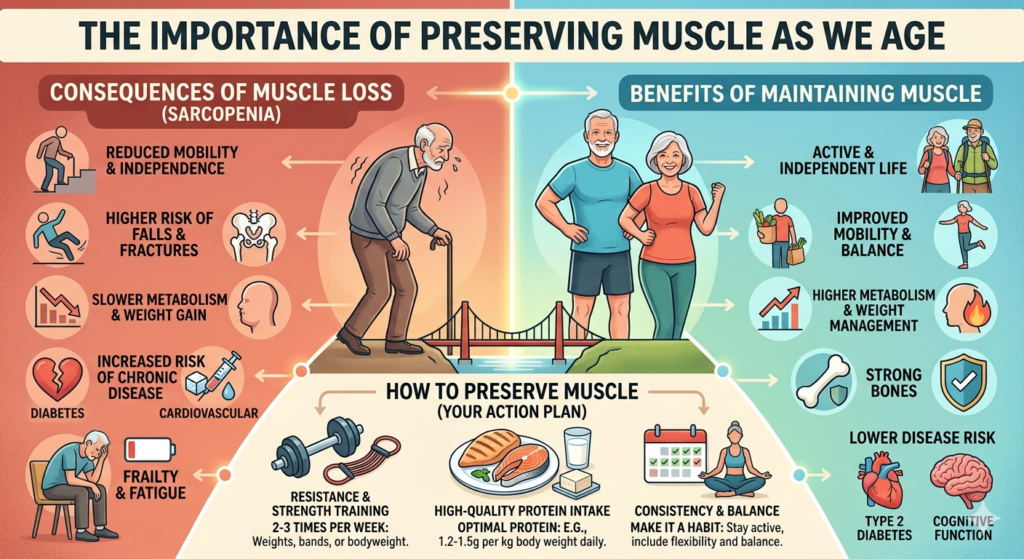
Many people focus exclusively on losing weight while ignoring one of the most important aspects of healthy aging: preserving lean muscle mass.
Muscle is metabolically active tissue that supports:
- healthy metabolism
- strength
- mobility
- insulin sensitivity
- balance
- posture
- physical independence
- cognitive health
Research continues to show that resistance training and adequate protein intake are essential components of healthy aging.
In my clinical experience, many individuals are under-consuming high-quality protein, especially older adults.
This becomes even more important during weight loss.
Losing body fat while preserving muscle is very different from simply losing weight on a scale.
Rapid weight loss without proper nutrition and resistance training can contribute to:
- muscle wasting
- fatigue
- weakness
- metabolic slowdown
- rebound weight gain
Healthy weight management should focus on:
- preserving muscle
- improving body composition
- reducing inflammation
- supporting energy
- improving long-term health outcomes
Why Protein Alone Is Not Enough
A quality meal replacement should be much more than just protein.
While protein is critically important, I believe an effective functional meal replacement should also support:
- satiety
- digestion
- gut health
- healthy aging
- recovery
- metabolic function
- antioxidant protection
That is where many conventional protein shakes fall short.
A truly functional formula should ideally contain:
- high-quality protein
- soluble fiber
- digestive enzymes
- probiotics
- prebiotics
- antioxidants
- micronutrients
- healthy fats
- evidence-based botanical ingredients
All of these components can work synergistically to support overall wellness.
Why Ingredient Transparency Matters
Consumers today are becoming more educated and more skeptical — and rightly so.
People want to know:
- where ingredients come from
- how products are manufactured
- whether formulas are evidence based
- and whether ingredient amounts are fully disclosed
I strongly believe transparency is one of the most important principles in nutritional science.
For years, I have discussed on my talk show and in clinical practice the importance of:
- evidence-based ingredients
- proper dosing
- ingredient quality
- purity
- sourcing
- manufacturing standards
In my opinion, consumers deserve to know exactly what they are putting into their bodies.
Why I Developed Fortifeye Fit Meal
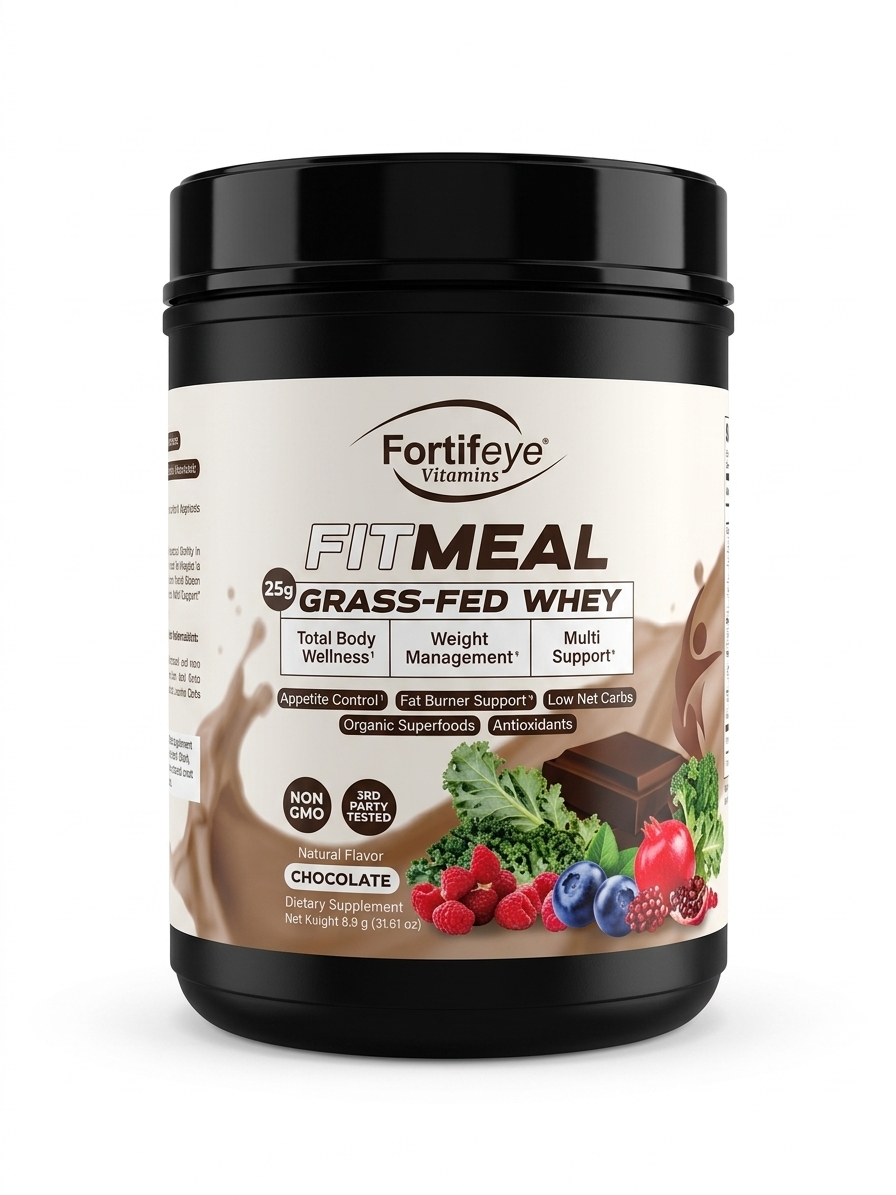
After decades of seeing patients struggle with:
- cravings
- weight gain
- low energy
- poor eating habits
- digestive issues
- muscle loss
- unhealthy aging
I decided to help develop a meal replacement formula designed around what I believe truly matters.
The goal was not simply to create another protein shake.
The goal was to create a functional meal replacement focused on:
- healthy weight management
- preserving muscle mass
- satiety
- metabolic support
- digestive health
- ingredient transparency
- healthy aging
Developing the formula took years of refinement and multiple prototypes.
One of the challenges was balancing:
- taste
- texture
- satiety
- ingredient quality
- digestibility
- and nutritional science
I wanted a formula that I personally felt comfortable recommending to my patients, listeners, friends, and family.
What Makes Fortifeye Fit Meal Different
Fortifeye Fit Meal was designed with a very different philosophy compared to many conventional meal replacements.
Some of the key features include:
Grass-Fed Whey Concentrate
Rather than focusing solely on whey isolate, the formula utilizes grass-fed whey concentrate, which naturally contains beneficial compounds including immunoglobulins and lactoferrin.
Protein quality and amino acid composition are critically important for muscle preservation and recovery.
Soluble Fiber Blend
The formula contains a strategic blend of soluble fibers designed to help support:
- satiety
- digestive health
- gut microbiome health
- healthy blood sugar balance
This includes ingredients such as:
- acacia fiber
- apple pectin
- flaxseed
- agave inulin
Thoughtful Sweetening System
Many people dislike the aftertaste associated with certain sweeteners.
The formula utilizes a combination of:
- allulose
- fermented rice sugar Reb-M
without relying heavily on artificial sweeteners.
Functional Ingredients
The formula also contains a variety of evidence-based ingredients designed to support wellness and healthy aging, including:

- probiotics
- prebiotics
- digestive enzymes
- PeakO2® organic mushroom blend
- Pomella® pomegranate extract
- CherryPURE® tart cherry extract
- CranRich® cranberry extract
- organic kale
- organic broccoli sprouts
- organic pineapple
- organic blueberry
- organic raspberry
- organic açaí
- organic turmeric

These ingredients were selected to help support:
- antioxidant protection
- metabolic health
- digestive wellness
- recovery
- healthy aging
- overall vitality
One of the biggest nutritional deficiencies I commonly see in America is inadequate intake of antioxidant-rich fruits and vegetables. Most individuals simply are not consuming enough colorful plant-based nutrients on a daily basis. Antioxidants and phytonutrients derived from fruits, vegetables, berries, sprouts, and botanicals may help support healthy aging, metabolic wellness, cellular protection, recovery, immune function, and overall vitality.
This is yet another reason Fortifeye Fit Meal stands apart from many conventional meal replacements. By incorporating a variety of organic fruits, vegetables, sprouts, and evidence-based botanical ingredients, the formula was designed to help provide broader nutritional support beyond basic protein alone.
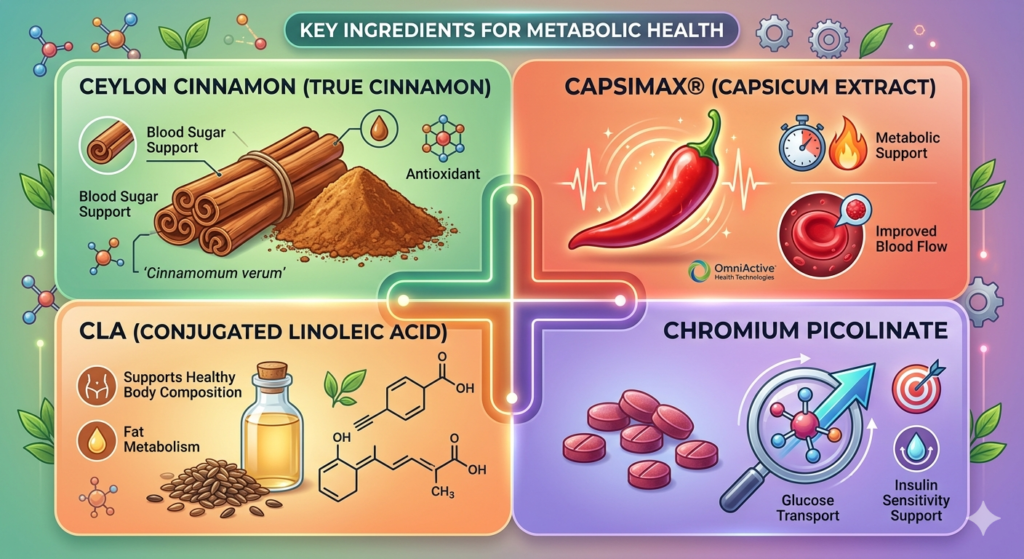
Metabolic and Thermogenic Support
One of the areas I felt was missing in many conventional meal replacements was meaningful support for healthy metabolism, appetite regulation, thermogenesis, and healthy blood sugar balance.
That is one of the reasons Fortifeye Fit Meal was formulated with several evidence-based ingredients designed to help support metabolic wellness and healthy body composition when combined with proper nutrition and exercise.
These include:
Ceylon Cinnamon
Ceylon cinnamon has been studied for its potential role in supporting:
- healthy blood sugar metabolism
- insulin sensitivity
- appetite control
- metabolic wellness
Unlike common cassia cinnamon, Ceylon cinnamon is often preferred because it naturally contains significantly lower levels of coumarin.
Capsimax®
Capsimax® is a patented capsaicin ingredient derived from red chili peppers that has been studied for its potential thermogenic properties.
Research suggests capsaicin may help support:
- calorie burning
- thermogenesis
- fat oxidation
- appetite control
- metabolic activity
The microencapsulated delivery system is designed to improve tolerability while minimizing stomach irritation often associated with traditional capsaicin products.
CLA (Conjugated Linoleic Acid)
CLA is a naturally occurring fatty acid that has been studied for its potential role in:
- healthy body composition
- fat metabolism
- lean muscle support
- metabolic health
When combined with resistance training and proper nutrition, CLA may help support healthy weight management goals.
Chromium Picolinate
Chromium picolinate is an essential trace mineral involved in carbohydrate and glucose metabolism.
Research suggests chromium may help support:
- healthy blood sugar regulation
- insulin function
- carbohydrate metabolism
- appetite management
In my opinion, combining these metabolic support ingredients with high-quality protein, soluble fiber, digestive support, and antioxidant-rich nutrients helps create a much more comprehensive functional meal replacement compared to many conventional protein shakes on the market today.
Transparent Labeling
One of the things I am most proud of is the commitment to transparency.
Consumers can clearly see:
- ingredient amounts
- ingredient types
- and the overall philosophy behind the formula
No hidden proprietary blends.
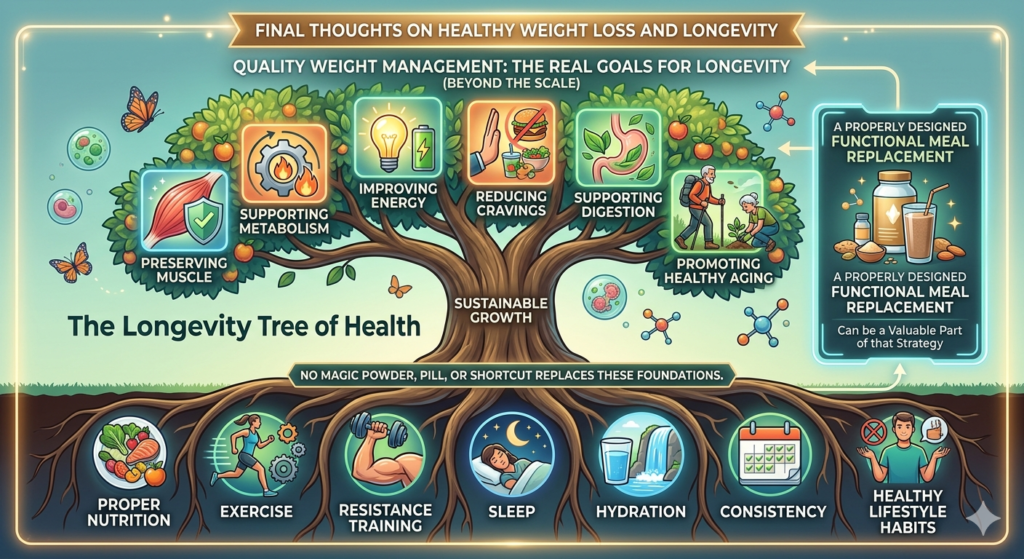
Final Thoughts on Healthy Weight Loss and Longevity
There is no magic powder, pill, or shortcut that replaces:
- proper nutrition
- exercise
- resistance training
- sleep
- hydration
- consistency
- healthy lifestyle habits
However, the right nutritional tools may help support long-term success.
In my opinion, healthy weight management should focus not simply on losing pounds but on:
- preserving muscle
- supporting metabolism
- improving energy
- reducing cravings
- supporting digestion
- and promoting healthy aging
A properly designed functional meal replacement can be a valuable part of that strategy.
To learn more about Fortifeye Fit Meal and the Fortifeye Fit transformation system visit the website for additional educational information and product details.
Frequently Asked Questions
Are meal replacements healthy?
Some can be, but ingredient quality matters tremendously. Many meal replacements contain excessive sugars, artificial ingredients, and low-quality proteins. A functional meal replacement should focus on quality protein, fiber, digestive support, and nutrient density.
Can meal replacements help preserve muscle?
When combined with adequate protein intake and resistance training, meal replacements may help support muscle preservation during weight loss and healthy aging.
Is whey concentrate better than whey isolate?
Both can have benefits. Grass-fed whey concentrate may naturally contain additional beneficial compounds such as lactoferrin and immunoglobulins that are often reduced during extensive processing.
In addition, high-quality whey concentrate can be a good source of covalently bonded cystine, an important amino acid precursor involved in the body’s natural production of glutathione. Glutathione is often referred to as one of the body’s master antioxidants because it plays an important role in cellular protection, detoxification, immune support, recovery, and healthy aging.
While whey isolate may contain slightly higher percentages of protein by weight, minimally processed grass-fed whey concentrate may provide a broader spectrum of naturally occurring nutritional compounds that support overall wellness.
What should I avoid in a meal replacement?
Look out for:
- excessive sugar
- artificial sweeteners
- proprietary blends
- poor-quality protein sources
- amino acid spiking
- minimal fiber
- excessive fillers
Why is muscle preservation important during weight loss?
Preserving muscle helps support metabolism, strength, energy, insulin sensitivity, mobility, and healthy aging. Losing excessive muscle during weight loss may negatively affect long-term health outcomes.
Are meal replacements helpful after age 50?
Many adults over the age of 50 struggle to consume adequate amounts of high-quality protein, soluble fiber, antioxidant-rich fruits and vegetables, and key micronutrients necessary for healthy aging. In addition, aging adults naturally begin losing muscle mass over time, making proper nutrition and resistance training increasingly important.
A properly designed functional meal replacement may help support:
- muscle maintenance
- satiety
- healthy metabolism
- digestive wellness
- healthy blood sugar balance
- antioxidant protection
- convenience and nutritional consistency
In my opinion, maintaining lean muscle mass while also improving overall nutritional intake becomes increasingly important as we age, especially for supporting mobility, strength, metabolic health, energy, and long-term vitality.