How to Choose the Best Meal Replacement Shake for Weight Loss, Metabolism & Longevity
Written by Michael Lange OD, CNS on February 13, 2026
Meal replacements are one of the most searched tools for weight loss, weight management, and metabolic health. But not all meal replacement shakes are created equal. Many products marketed as the “best meal replacement for weight loss” are simply flavored protein powders with artificial sweeteners and minimal nutritional depth. If you’re searching for a healthy meal replacement powder that supports weight management, anti-aging, digestive health, and overall wellness, here’s what to look for.
1. Look for a High-Protein Meal Replacement (25g or More)
A high-quality meal replacement for weight management should:
- Provide at least 20–25 grams of complete protein
- Support satiety
- Help preserve lean muscle
- Maintain metabolic rate
Whey protein, particularly minimally processed forms, has been widely studied for:
- Preserving lean mass during calorie restriction
- Increasing fullness
- Supporting body composition improvements
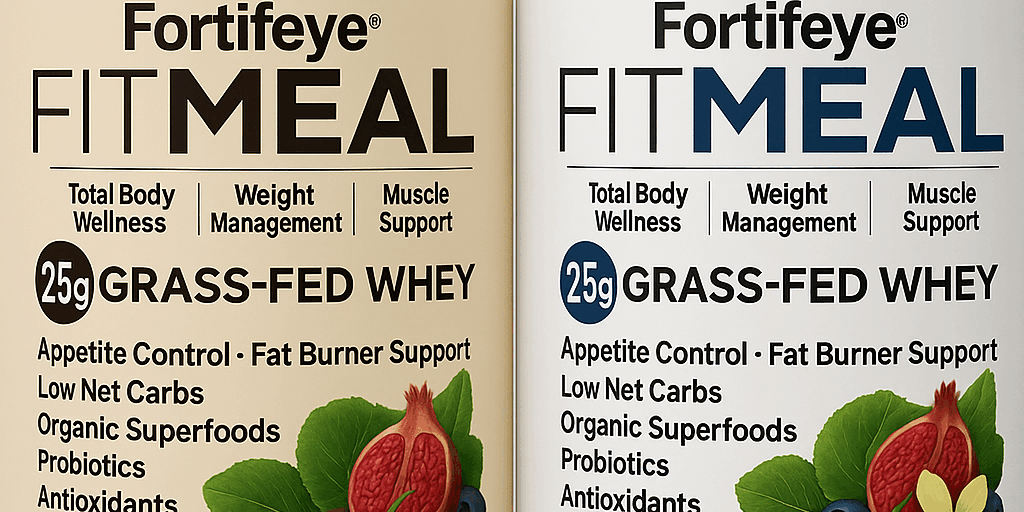
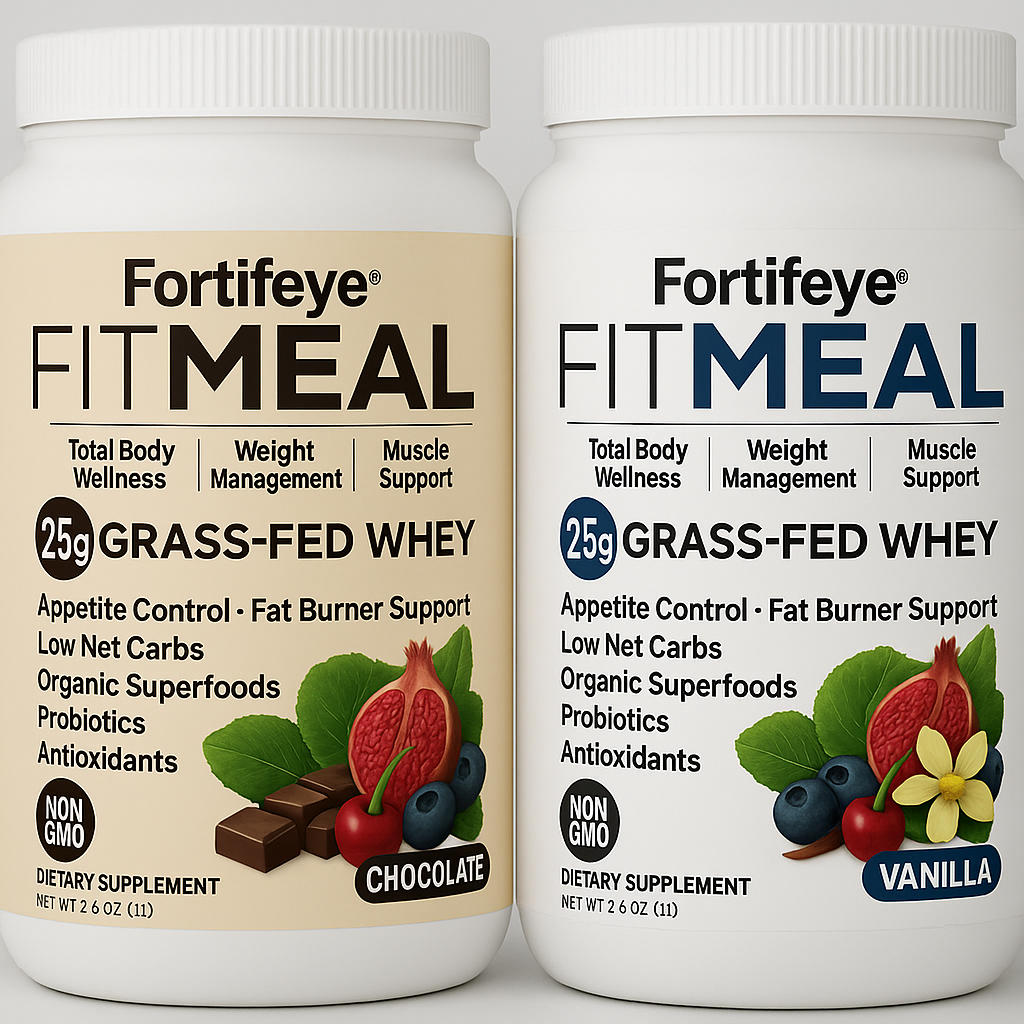
Some physician-developed formulas, including products developed by companies like Fortifeye Vitamins under the direction of Dr. Michael Lange, prioritize protein quality and intact bioactive compounds rather than simply lowering calories.

2. Fiber Is Essential in the Best Meal Replacement for Weight Loss
Many popular shakes contain very little fiber. However, fiber supports:
- Appetite control
- Blood sugar stability
- Gut microbiome balance
- Digestive regularity
A superior meal replacement powder should contain multiple soluble fibers such as:
- Acacia fiber
- Apple pectin
- Inulin
- Flax seed fiber
Research consistently shows soluble fiber increases satiety and reduces subsequent calorie intake. Some of the more advanced functional meal replacements on the market now use multi-fiber blends rather than relying on a single source.
3. Avoid High-Sugar Meal Replacements — Choose Metabolically Intelligent Sweeteners
One of the biggest mistakes consumers make is overlooking sweetener quality. The best meal replacement shake for metabolic health should:
- Contain zero added sugar
- Avoid maltodextrin
- Avoid glucose syrups
- Avoid artificial sweeteners

Emerging research suggests rare sugars like allulose may support healthier post-meal glucose responses and natural GLP-1 signaling compared to traditional sugars.
Similarly, high-purity fermented Reb-M (Rebaudioside M) provides sweetness without glycemic spikes.
Forward-thinking companies are now designing meal replacements around metabolic physiology rather than just taste — something physician-formulated products like Fortifeye Fit Meal have emphasized in recent formulations.
4. The Best Meal Replacement Supports Metabolism — Not Just Calorie Reduction
Weight management requires more than calorie restriction. An advanced meal replacement supplement may include ingredients that support:
- Thermogenesis
- Fat oxidation
- Glucose metabolism
- Mitochondrial efficiency
Examples include:
- Capsaicinoids
- CLA
- Ceylon cinnamon
- Chromium
- MCT oil
Some of the newest research-driven formulas integrate these compounds in clinically meaningful amounts rather than token label dressing. Companies focused on functional nutrition innovation — such as Fortifeye Vitamins — are increasingly building comprehensive metabolic-support platforms into meal replacement powders.
5. Gut Health & Digestive Support Separate Basic Shakes from Advanced Formulas
 Digestive discomfort is one of the main reasons people stop using meal replacements. The most advanced meal replacement shakes now include:
- Probiotics
- Prebiotics
- Digestive enzymes
This supports:
- Nutrient absorption
- Microbiome balance
- Reduced bloating
- Improved tolerance
Look for formulas that think beyond protein and calories.
6. Anti-Aging & Longevity: The Next Evolution of Meal Replacements
Modern consumers are no longer looking only for “weight loss.” They are searching for:
- Anti-aging nutrition
- Longevity-support meal replacements
- Metabolic resilience
- Cellular energy support
Advanced functional meal replacements now include:
- Polyphenol-rich extracts (pomegranate, tart cherry, cranberry)
- Functional mushroom blends
- Antioxidant superfood complexes
- Mitochondrial-support ingredients
Some of the most progressive research-based meal replacement developments — including Fortifeye Fit Meal — incorporate ingredients that support mitochondrial function, recovery, and cellular vitality. This represents a shift from simple dieting tools to longevity-focused nutrition systems.
7. Micronutrient Density & Methylated B Vitamins
Calorie restriction often reduces micronutrient intake. The best meal replacement supplement should include:
- Bioavailable B vitamins
- Vitamin D
- Antioxidant vitamins
- Metabolic cofactors
Advanced formulas now use methylated forms of B vitamins to support:
- ATP production
- Glucose metabolism
- Neurological function
- Homocysteine balance
Companies investing heavily in research-backed formulations are prioritizing micronutrient bioavailability rather than simply meeting minimum daily values.
8. Manufacturing & Ingredient Sourcing Matter
 When choosing the best meal replacement powder, consider:
- Is it manufactured in the USA?
- Are ingredients responsibly sourced?
- Does the company avoid low-cost ingredient sourcing shortcuts?
Premium brands emphasize:
- U.S.-based manufacturing
- State-of-the-art facilities
- Transparent ingredient sourcing
Fortifeye Vitamins, for example, manufactures in the United States and emphasizes global sourcing from premium regions rather than low-cost supply chains.
The Benchmark for Advanced Meal Replacements
Very few meal replacements meet all of the following criteria:
✔ 25g high-quality protein
✔ Multi-fiber blend
✔ Low glycemic sweeteners
✔ Thermogenic support
✔ MCT oil
✔ Probiotics + digestive enzymes
✔ Antioxidant superfood complex
✔ Mitochondrial-support ingredients
✔ Methylated multivitamin system
✔ U.S. manufacturing standards
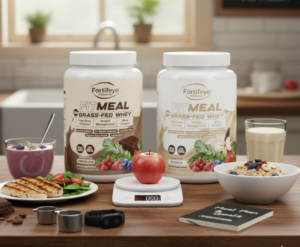
As the meal replacement market evolves, companies like Fortifeye Vitamins and Dr. Michael Lange are helping define the next generation of functional, research-driven meal replacements. If you want to see what a fully developed, physician-formulated metabolic meal replacement looks like, reviewing the ingredient profile of products such as Fortifeye Fit Meal can provide a useful benchmark. Final Thoughts: Choosing a Meal Replacement for Weight Management & Longevity The best meal replacement shake is not the one with the lowest calories. It is the one that:
- Supports lean muscle
- Enhances satiety
- Stabilizes blood sugar
- Supports mitochondrial function
- Protects micronutrient status
- Promotes digestive health
- Contributes to long-term metabolic wellness
As research continues to evolve, meal replacements are moving beyond diet tools and into the realm of functional metabolic support systems. Choosing wisely can make the difference between temporary weight loss and sustainable health.