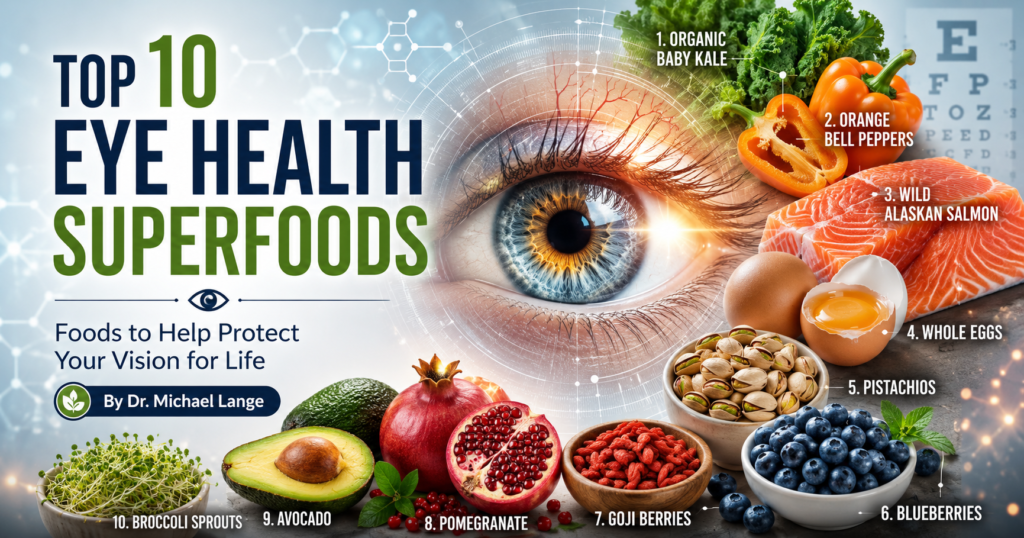
Dr. Michael Lange, O.D. , CNS . founder of the Lange Eye Institute in The Villages, Florida, has developed one of the most comprehensive protocols for managing dry eye disease (DED). His approach combines advanced diagnostics, cutting-edge in-office procedures, science-based nutritional support, and simple daily lifestyle changes to bring lasting relief to patients.
Comprehensive Diagnosis
Every patient begins with a full evaluation that includes:
- Patient history: systemic health, medications, nutrition, hydration, and lifestyle.
- Tear film testing: osmolarity, tear break-up time, and inflammatory markers.
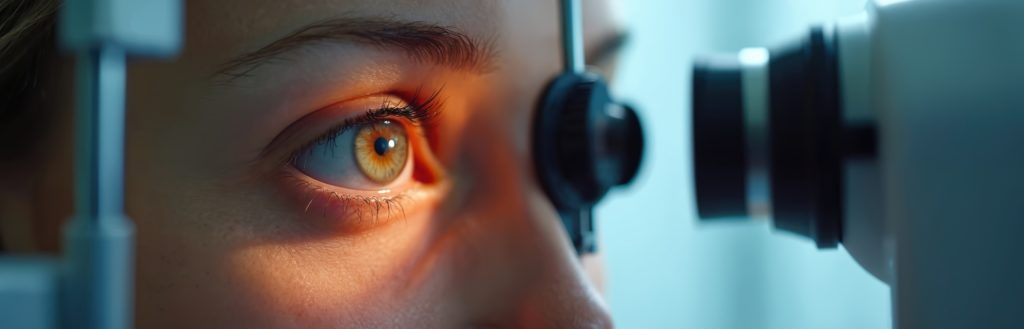
- Meibography: imaging to assess meibomian gland health.
- Slit lamp examination: corneal and conjunctival staining, lid margin evaluation.
- Blink analysis: to check eyelid function and blink completeness.
At-Home Daily Protocol

- Hydration & Diet: Drink half your body weight in ounces of water daily. Eat a banana or avocado for natural potassium support. Follow the Lange Survival Diet to reduce inflammation.
- Artificial Tears: Use preservative-free brands such as Optase or Oasis Tears 2–4 times daily, or as needed.
- If artificial tears are not adequate: Dr. Lange may recommend Regener-Eyes® drops, a biologic tear substitute that helps restore the ocular surface.
- Lid Hygiene: At bedtime, apply a warm compress for 5–10 minutes, followed by lid wipes (Optase Protect or Optase Tea Tree Oil).
- Nutritional Support: Take Fortifeye Advanced Dry Eye Therapy (triglyceride-form fish oil, black currant seed oil, and astaxanthin).
- Screen Habits: Use the 20-20-20 rule when on digital devices.
In-Office Treatments
For patients needing more advanced care, Dr. Lange may recommend:
- Lumenis OptiLight IPL – FDA-approved for dry eye linked to meibomian gland dysfunction.
- Lumenis OptiLift – improves eyelid tone and blink dynamics.
- Thermal pulsation therapy – Thermal OneTouch® or iLux® to unclog and restore meibomian gland function.
- Meibomian gland expression – to clear blocked glands.
- BlephEx treatment – removes biofilm when standard lid hygiene is not effective.
- Punctal occlusion (punctal plugs) – slows tear drainage, helping eyes stay lubricated.
- Amniotic membrane therapy – for severe ocular surface disease.
- Autologous serum tears – for advanced cases.
Prescription Options
- Immunomodulators: Cyclosporine (Restasis, Cequa) or Lifitegrast (Xiidra).
- Short-term steroids: Loteprednol or other mild anti-inflammatory drops.
- Varenicline nasal spray (Tyrvaya) to stimulate tear production.
Long-Term Success
Dry eye disease is chronic and multifactorial. Dr. Lange emphasizes that success comes from layered therapy—daily home care combined with the latest in-office technologies and nutritional support. With this protocol, patients at the Lange Eye Institute experience both symptom relief and long-term improvements in ocular surface health.